
Tracing the historical evolution of casinos From ancient games to modern megastructures
The Origins of Gambling: Ancient Civilizations
The history of gambling dates back thousands of years, with its roots deeply embedded in ancient civilizations. The earliest evidence can be traced to the Chinese, where rudimentary games involving dice were played as early as 2300 BC. These games served both as entertainment and as a means of divination, reflecting the culture’s belief in chance and fate. Similar games have been found in archaeological sites across Mesopotamia, where dice made from animal bones were used in various forms of betting. As modern platforms like odin fortune emerge, it is fascinating to consider how far gambling has come from these ancient beginnings.

In addition to the Chinese, other ancient societies, such as the Egyptians, Greeks, and Romans, also engaged in gambling. The Egyptians played games with betting elements, often linked to religious practices, while the Greeks formalized gambling through competitions, like the Olympic Games. The Romans took it a step further, establishing large public gambling houses known as “tabernae” where citizens could engage in various games of chance. These early forms of gambling laid the groundwork for the structured casino environments we see today.
The evolution of these ancient games laid the foundation for modern gaming practices. The belief systems tied to chance and luck were not merely frivolous pastimes; they were embedded in the social fabric of these civilizations. The transition from informal betting among friends to organized gaming in public venues marked a significant shift that would influence the nature of gambling in the centuries to follow.
The Medieval Era and the Birth of Modern Gambling
The Medieval Era witnessed significant changes in gambling, particularly in Europe. This period saw the emergence of card games, which originated in China and spread to Europe through trade routes. By the late 14th century, cards had become popular in countries like Italy and France, leading to the development of games like poker and blackjack. This marked a transition from purely chance-based games to those involving skill, strategy, and psychology.
As society progressed, the perception of gambling began to shift. Initially seen as a vice, gambling was often restricted or banned, leading to underground gaming establishments. However, the allure of games like dice and cards persisted, prompting rulers to regulate them. During the Renaissance, the first official gaming houses were established in Venice, paving the way for the modern casino. These establishments catered to nobility and wealthy patrons, offering a blend of luxury and risk that characterized the gambling experience.
This period of innovation not only refined the games played but also initiated a culture around gambling that emphasized elegance and sophistication. The creation of rules and regulations began to formalize the gaming experience, making it more appealing to the upper classes. As gambling gained respectability, the groundwork for future casino developments was firmly established.
The Rise of Casinos: The 18th and 19th Centuries
The 18th and 19th centuries marked the golden age of casinos, particularly in Europe. The establishment of the first official casino in Monaco in 1863 set the standard for what would become a global phenomenon. This period saw the rise of lavish gambling establishments that were not just places to wager money, but entire entertainment complexes that offered dining, music, and dancing. The casino culture began to attract a wider audience, appealing to the emerging middle class.
Simultaneously, the American gaming scene was evolving. Following the Gold Rush, gambling became integral to the culture in places like California and Nevada. The opening of the first legalized casino in Las Vegas in 1931 represented a turning point, symbolizing both opportunity and escapism for many. Las Vegas quickly transformed into a gambling capital, renowned for its vibrant nightlife, extravagant hotels, and unique gaming experiences, further solidifying the casino’s role in modern society.
This era also witnessed significant technological advancements in gambling. The introduction of mechanical slot machines in the late 19th century revolutionized the gaming landscape. Unlike traditional games requiring skill and strategy, these machines introduced the element of pure chance, allowing anyone to engage in gambling without prior knowledge. This accessibility further democratized gambling, making it a popular pastime for all social classes.
Modern Megastructures: The Evolution of Casino Design
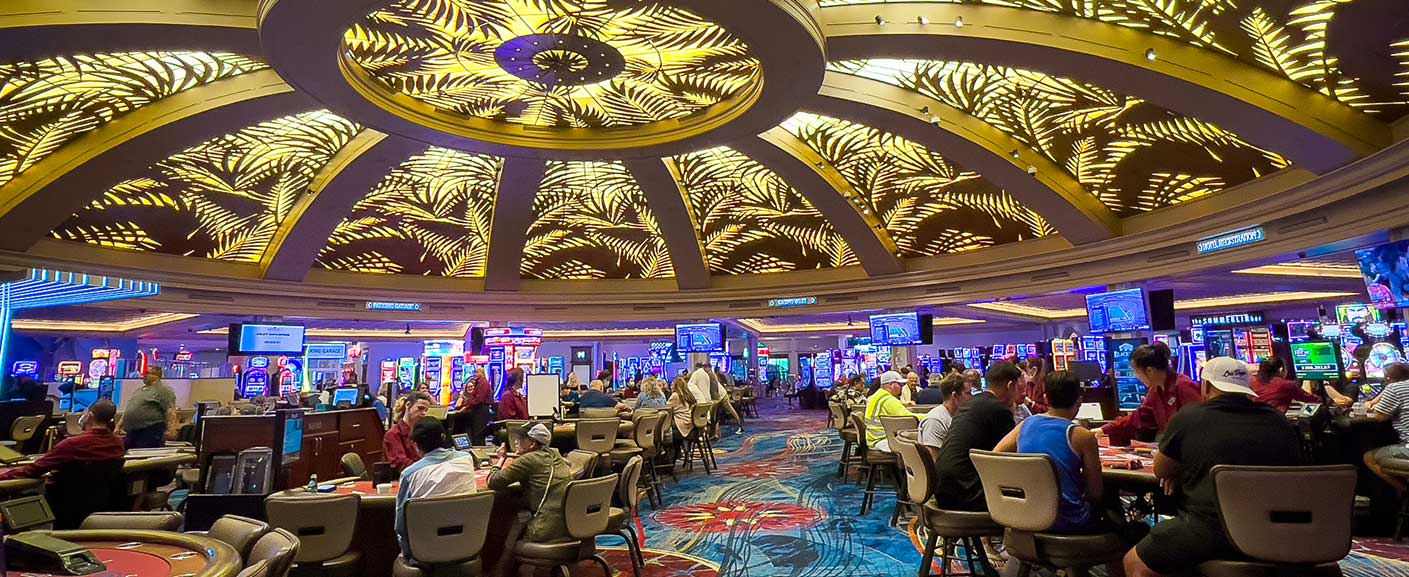
Today’s casinos are a far cry from their ancient predecessors and even the grand establishments of the 19th century. The modern casino is often a megastructure, characterized by architectural marvels that blend luxury, technology, and entertainment. These establishments are designed not just for gambling but as comprehensive leisure destinations, incorporating hotels, fine dining, shopping, and entertainment venues. Iconic examples include The Bellagio and The Venetian in Las Vegas, which exemplify the opulence and extravagance of contemporary casino design.
The integration of technology into casinos has dramatically transformed the gaming experience. Digital advancements have led to online and mobile gambling platforms, allowing users to place bets from anywhere in the world. The rise of cryptocurrencies and secure payment systems has further enhanced the appeal of online gaming, catering to a tech-savvy audience. This convergence of technology and gambling has created a new era where traditional casinos must adapt or risk obsolescence.
As gambling regulations continue to evolve, modern casinos are also increasingly focused on responsible gaming practices. Many are implementing measures to promote safer gambling environments, such as self-exclusion programs and educational resources. This focus on player protection indicates a growing recognition of the social responsibilities that come with operating a gambling establishment, ensuring that entertainment does not come at the cost of player welfare.
Odin Fortune Casino: The Future of Online Gaming
As the gambling landscape continues to evolve, platforms like Odin Fortune Casino are at the forefront of this transformation. Launched in 2026, Odin Fortune Casino has embraced technological advancements to offer an integrated gaming experience for UK players. With a vast library of over 4,000 games, including slots and live dealer options, the casino caters to diverse preferences, making it a one-stop destination for both casino games and sports betting.
Odin Fortune Casino differentiates itself with innovative features designed to enhance player engagement and satisfaction. The competitive welcome bonus structure is tailored to reward ongoing participation rather than merely initial deposits, fostering a loyal player base. Additionally, the platform’s commitment to providing 24/7 customer support and fast cryptocurrency withdrawals reflects a dedication to user experience and security, making it a compelling choice for modern gamblers.
The future of casinos appears bright, with online platforms like Odin Fortune leading the charge. By harnessing advanced techniques and offering a secure, convenient gaming environment, they are redefining what it means to gamble in the modern age. As technology and social responsibility continue to shape the industry, the evolution of casinos will undoubtedly carry on, influencing how we engage with games of chance for generations to come.