
Myth of Guaranteed Wins
One of the most pervasive myths about casino gambling is the belief that players can guarantee a win through certain strategies or systems. Many gamblers cling to this idea, convinced that they can beat the house advantage by employing elaborate betting strategies or patterns, especially when they play at the best online pokies australia real money sites. In reality, every game in a casino is designed with a built-in edge for the house, which means that over time, the casino will inevitably make more money than it pays out. This myth often leads players to wager more than they can afford, believing that their luck will turn based on flawed reasoning.
Another aspect of this myth is the illusion of ‘hot’ and ‘cold’ machines, particularly in slot games. Many players will become convinced that a machine is due for a payout if it hasn’t paid out for a while, leading them to believe in the possibility of a guaranteed win. However, slot machines operate on random number generators, making it impossible to predict outcomes based on previous results. Any perceived pattern is entirely coincidental, reinforcing the importance of understanding that gambling is fundamentally about chance and risk.
This myth of guaranteed winnings not only affects individual players but can also lead to broader misconceptions about gambling culture. It fosters unhealthy attitudes towards risk and money management, often resulting in compulsive gambling behaviors. Understanding that there are no surefire methods to ensure winnings is crucial for maintaining a responsible approach to gambling, allowing players to enjoy the experience rather than falling into the trap of false hope.
The House Always Wins
“The house always wins” is a popular saying that paints a bleak picture for gamblers, suggesting that winning is unlikely. While it’s true that casinos are statistically favored to win, this myth can discourage players from even trying their luck. In reality, there are numerous instances where players walk away with significant winnings. Various factors influence outcomes, including game choice, betting strategies, and sheer chance, making it entirely possible for players to enjoy successful gambling experiences.
This myth ignores the variety of games available in casinos, each with different odds and payout structures. For example, games like blackjack can offer favorable odds for skilled players who master the basic strategies. Poker—another popular casino game—introduces an element of skill and psychological warfare, allowing players to gain an advantage over others. Thus, while the house does maintain an edge, the outcomes for players can vary greatly based on their knowledge, skill level, and discipline.

Moreover, the house edge is not uniformly insurmountable. Some games, particularly those requiring skill or strategy, allow players to mitigate that edge considerably. Players who choose to engage thoughtfully and strategically can improve their odds and create opportunities for wins, challenging the notion that the house always comes out on top. This portrayal emphasizes the need for gamblers to be informed and strategic, rather than resigned to defeat.
The Belief in Lucky Numbers and Rituals
Another common myth in the world of gambling is the belief that lucky numbers, charms, or rituals can significantly influence the outcome of games. Many players swear by their lucky numbers, thinking that previous wins on those numbers can lead to future successes. However, the reality is that outcomes in games of chance, such as roulette or slot machines, are determined by random processes—making superstitions irrelevant and ineffective.
Rituals, such as the way a player holds their cards or the specific moment they decide to place a bet, can make the gambling experience feel more personalized and engaging. Yet, these habits have no bearing on the actual probabilities of winning. Superstitions often serve as psychological comforts, helping players feel more in control of their situation or enhancing the thrill of the game, but they do not change the underlying mechanics. Understanding this distinction can foster a more grounded approach to gambling.
Moreover, relying on superstitions can lead to poor decision-making. Players might ignore sound strategies or critical information in favor of following these myths. As a result, it is essential for gamblers to approach the games with a clear mind, grounded in strategies based on logic and probabilities, rather than on unfounded beliefs. This can lead to a more enjoyable and responsible gambling experience that emphasizes the enjoyment of play rather than reliance on luck.
The Impact of Gambling on Life
Many people believe that engaging in casino gambling will ultimately lead to ruin or complete financial disaster, perpetuating a negative stereotype surrounding gambling. While it is true that gambling can be harmful for a small percentage of individuals, the majority of gamblers enjoy their experience responsibly and within their means. In fact, many play primarily for entertainment, treating their gambling expenditures much like any other recreational spending.
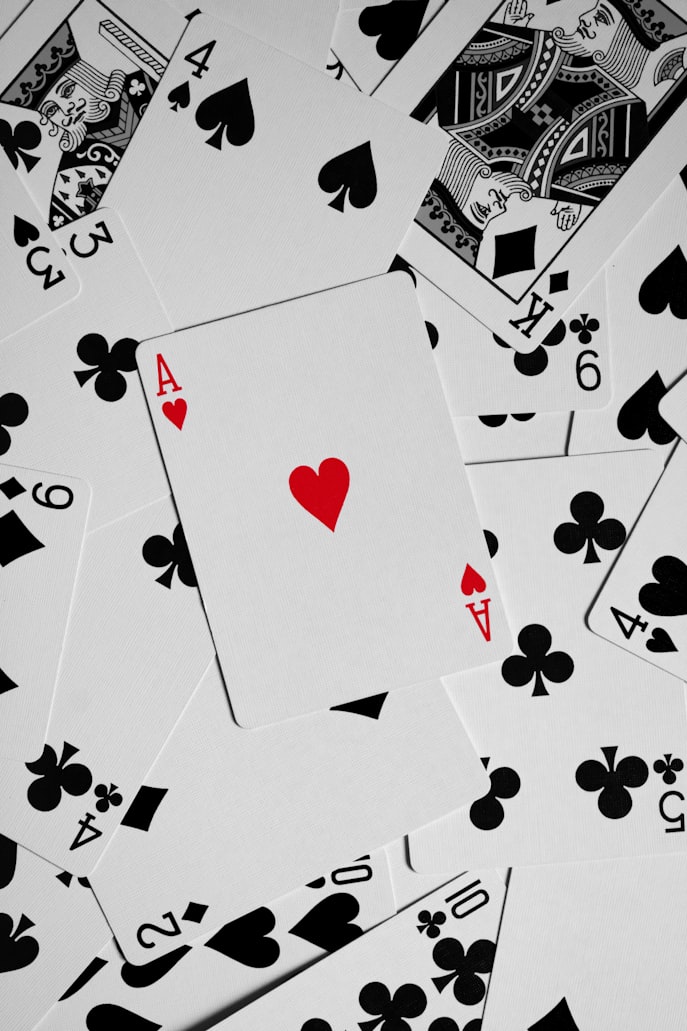
The narrative that gambling destroys lives often overlooks the fact that many people find joy and excitement in the social aspects of casinos. For some, it’s an opportunity to bond with friends or to celebrate special occasions. When approached with a healthy mindset, gambling can be a viable source of entertainment rather than a path to ruin. It is crucial to distinguish between responsible gambling practices and those that lead to addiction, emphasizing that not all gambling experiences end in negative consequences.
Additionally, casinos often implement responsible gaming initiatives, offering resources and support to those who may be struggling with their gambling habits. Many establishments promote self-exclusion programs and provide information on managing gambling responsibly. Rather than perpetuating the myths surrounding gambling, it’s important to acknowledge these resources and the positive experiences many have enjoyed while gambling within their limits. Recognizing the nuanced reality of gambling can help dismantle harmful stereotypes.
Understanding the Online Gambling Landscape
The rise of online gambling has also introduced a plethora of myths and misconceptions. Many individuals believe that online casinos are less trustworthy than their brick-and-mortar counterparts, fearing that games are rigged or manipulated in favor of the house. However, reputable online casinos operate under strict regulations and are often subject to third-party audits to ensure fairness and transparency in their gaming practices.
Moreover, many players mistakenly assume that online gambling lacks the social element that makes traditional casinos enjoyable. In reality, online platforms often offer interactive features, such as live dealer games and chat options, fostering a sense of community. Players can connect with others through these platforms, recreating the social aspects of gambling without the need to visit physical locations. This shift has broadened the appeal of gambling, reaching individuals who may find traditional casinos intimidating or inaccessible.
As players navigate the online gambling landscape, they are offered tools to manage their gambling habits effectively. Many platforms provide resources aimed at promoting responsible gambling, including deposit limits and time reminders. The progression of technology has not only made gambling more accessible but also safer, emphasizing the importance of informed choices in this evolving industry. Understanding the realities of online gambling can help dispel fears and misconceptions, enhancing the overall experience for users.